It started with three women and no plan.
No office, no blueprint — just a few young women from the valley sitting down to ask their neighbours what they actually needed.
 IEI Pakistan
INNOVATE, EDUCATE, INSPIRE
IEI Pakistan
INNOVATE, EDUCATE, INSPIRE
“Women are a woman’s worst enemies” is a common Pakistani saying. The Saheli Movement is a feminist collective that resists this archetype. Across Gilgit-Baltistan, IEI helps girls and young women befriend each other. We become mentors, organizers, first responders, and leaders.
By collectively organizing, we help build systems that support education, fight climate change, and secure digital sovereignty for young women.
No office, no blueprint — just a few young women from the valley sitting down to ask their neighbours what they actually needed.
Weeks became terms. Terms became years. Every woman who sat down brought another, until the circle was too wide for one room.
The same practice — listen first, build after — carried into schools across Gilgit-Baltistan. Here is what a decade of it adds up to.
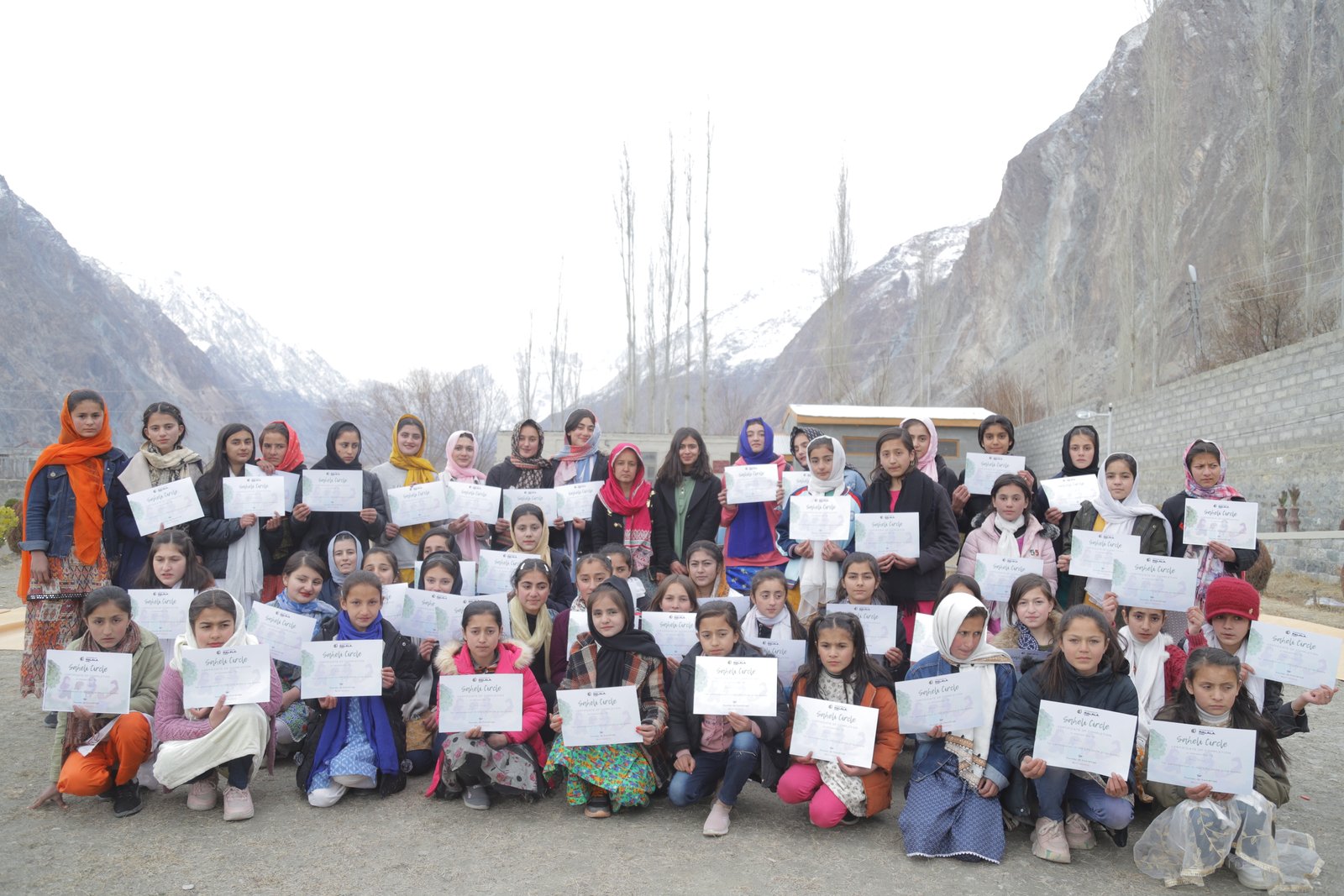
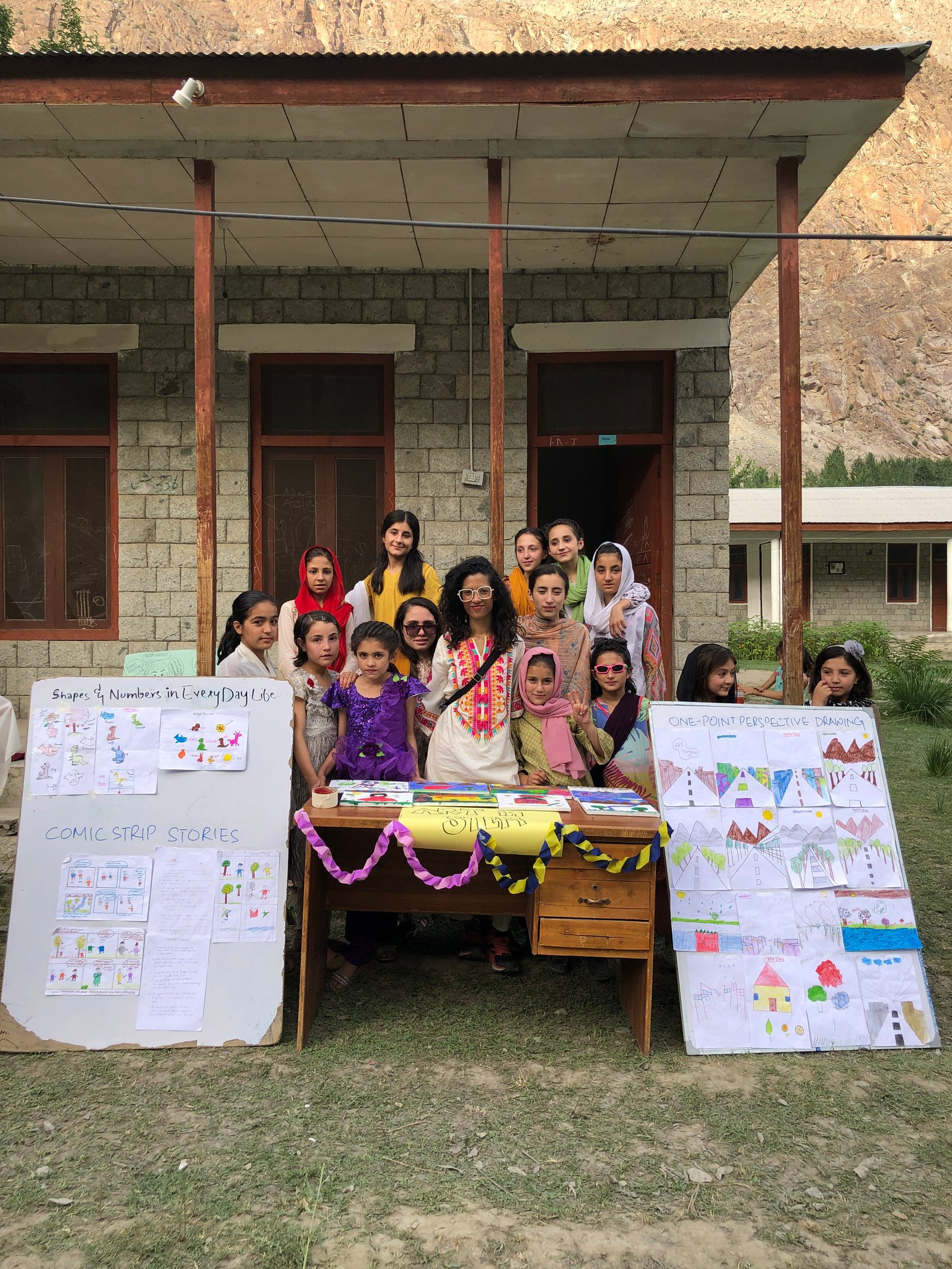
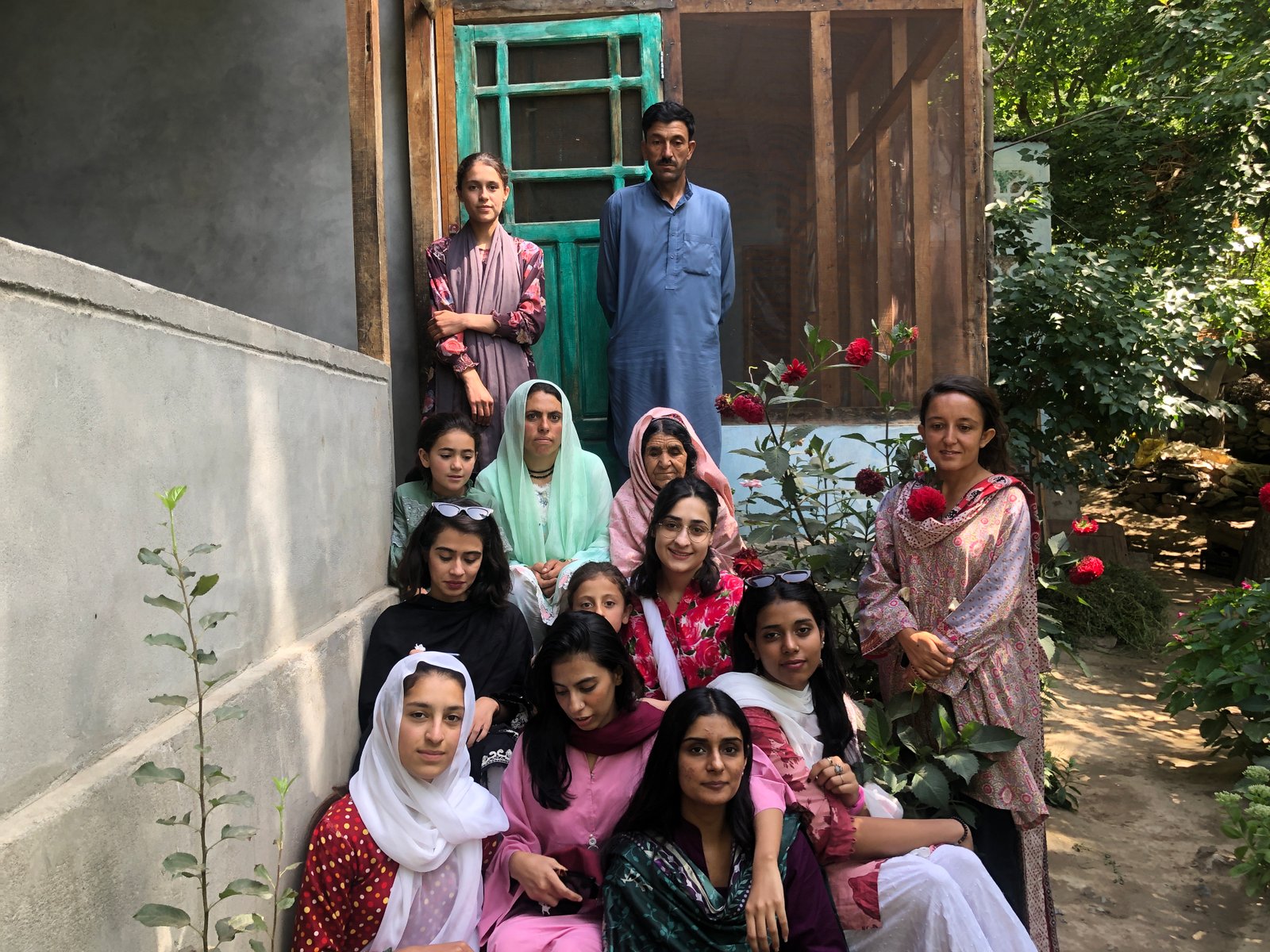
Saheli Circles are safe and brave spaces where 1000+ girls in 6 remote districts of Gilgit Baltistan have gathered. We build friendships, develop life skills and speak openly about the issues shaping our lives. Girls identify shared challenges, organise around them and engage the families, schools, community leaders and public institutions that influence their lives.
Through leadership programs and life/digital skills, girls and young women build confidence, communication skills, rights awareness, and the ability to advocate for themselves.
Girls organize gatherings where they can identify common challenges and organize around them. These conversations include mothers, fathers, and grandparents to build intergenerational solidarity.
Girls engage religious leaders, male community decision-makers, school leadership, and other government representatives to ensure systems change that allows continued access to education, skills, and disaster relief.
Twelve recurrent Saheli Circle spaces connect girls across six districts of Gilgit-Baltistan.
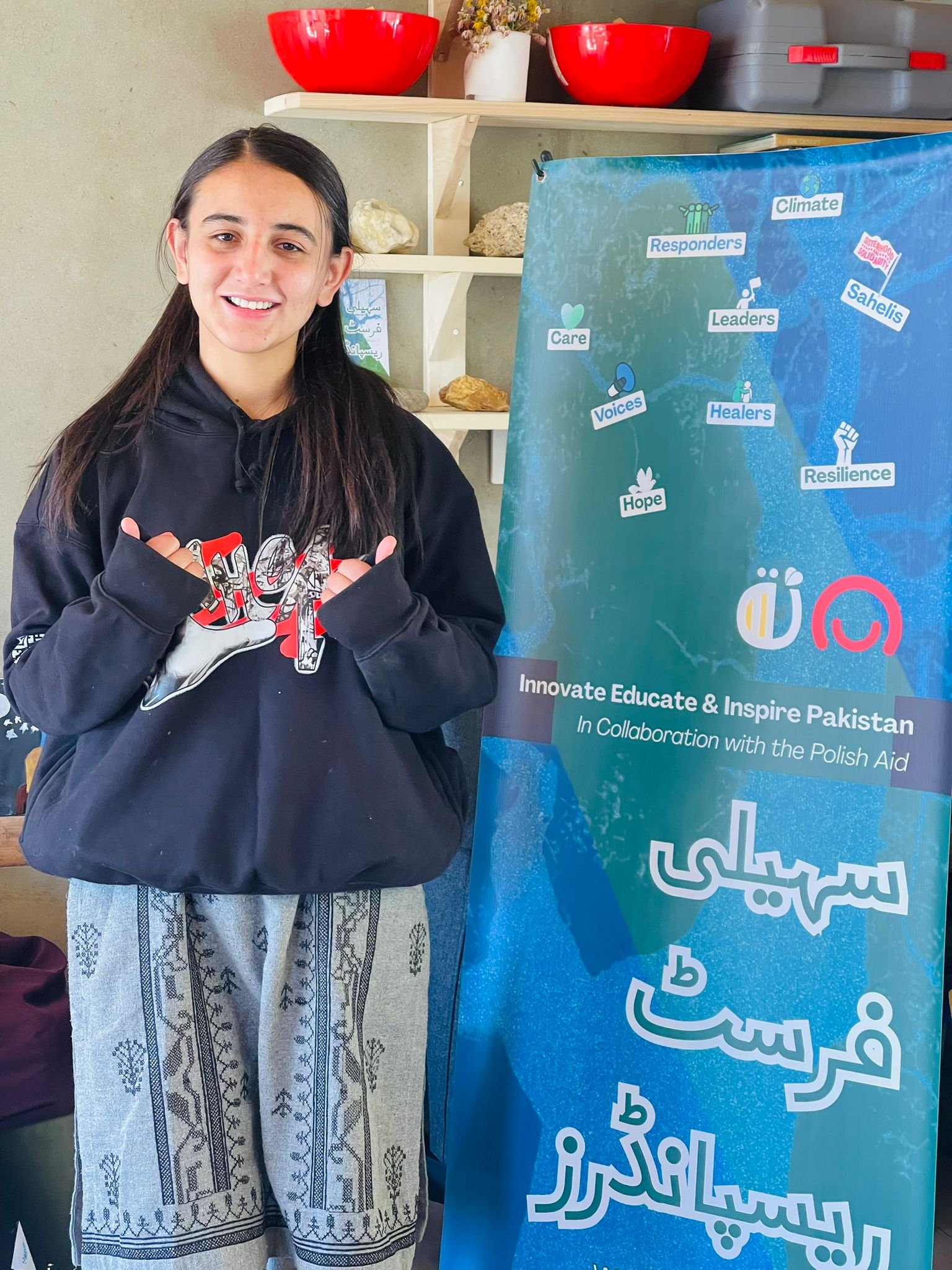
Climate disasters affect women and girls profoundly, yet they are routinely excluded from preparedness, relief and recovery decisions. Saheli First Responders changes who is recognised as capable of leading before, during and after a crisis.
Young women are trained in climate risk, emergency response, first aid, community organising, risk documentation and engagement with public institutions.
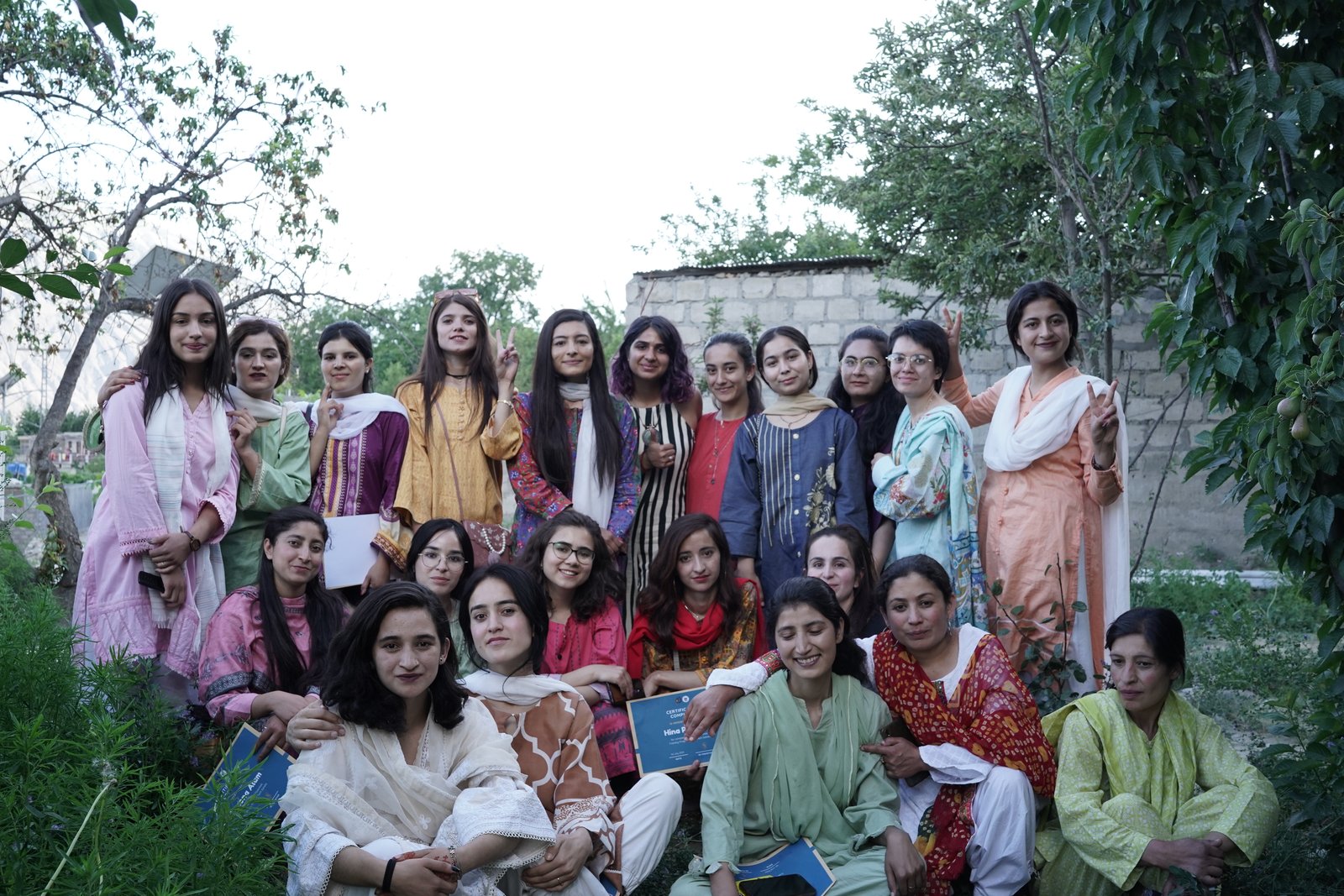
The Saheli Leader Fellowship prepares young women to become locally rooted feminist organisers. Fellows examine their own leadership, learn to read gender and power, and build the relationships needed to organise around issues affecting girls.
After eight weeks of training, each fellow returns to her community to establish a Saheli Circle, deliver life-skills education and organise a campaign around a locally identified issue—from early marriage and girls’ education to mentorship and school accountability.
During a major flood in Gupis Valley, Mehvish, a 19-year-old Saheli First Responder saw needs that conventional relief efforts often overlook. Displaced women and girls needed menstrual-health supplies, trauma support and access to clean water.
Mehvish mobilised 2,000 menstrual-hygiene kits, coordinated trauma support for displaced women and advocated with relief authorities for clean-water access. Her response showed what changes when a young woman is already trained, trusted and rooted in the community she serves.
“Girls need support during crisis, and if I don’t make it happen, who will?”
Free, Prior and Informed Consent (FPIC) has been obtained before sharing any photos or stories. Read about our FPIC Policy here.
IEI Pakistan runs on small donations from our community and microgrants from philanthropic funds. We do not have any corporate sponsors or political donors. If you’d like to support our feminist movement building, get in touch.