IEI Pakistan logo IEI Pakistan INNOVATE, EDUCATE, INSPIRE
Join Our Collective
Send email info@ieipakistan.com
Address Hunza, Pakistan
← The Saheli Movement Saheli First Responders · Gilgit-Baltistan

A grassroots, feminist climate justice model from Pakistan’s mountains

Saheli First Responders is a grassroots, feminist climate justice model from Gilgit-Baltistan, one of Pakistan’s most climate-vulnerable regions. Young women from glacier-fed valleys lead locally led adaptation and disaster response, organise women and their communities, and win them a place in district disaster governance to claim the resources and loss and damage they’re owed.

Where We Work

One of Pakistan’s most climate-vulnerable regions

3,000+glacial lakes formed in Gilgit-Baltistan and Khyber Pakhtunkhwa
33lakes prone to glacial lake outburst floods
7.1Mpeople living at risk
No. 1Pakistan, most affected country by extreme weather in 2022

Sources: UNDP GLOF-II project brief; Germanwatch Climate Risk Index 2025.

Our six districts

Saheli First Responders work along the Indus, Gilgit, Hunza and Shyok rivers.

  • HunzaHunza River
  • NagarHunza River
  • GilgitGilgit River
  • GhizerGilgit River
  • GhancheShyok River
  • KharmangIndus River

IEI’s programme sites across Gilgit-Baltistan. Disaster Response Units are marked in amber.

What Makes It Different

Locally led, feminist, and inside the state’s disaster system

Locally led, from the valley

Saheli First Responders live where disaster strikes. They’re there before help arrives, and they stay for the next season and the one after.

Women in disaster governance

Every community they organise forms a disaster committee where women are half the members, registered with the district disaster authority.

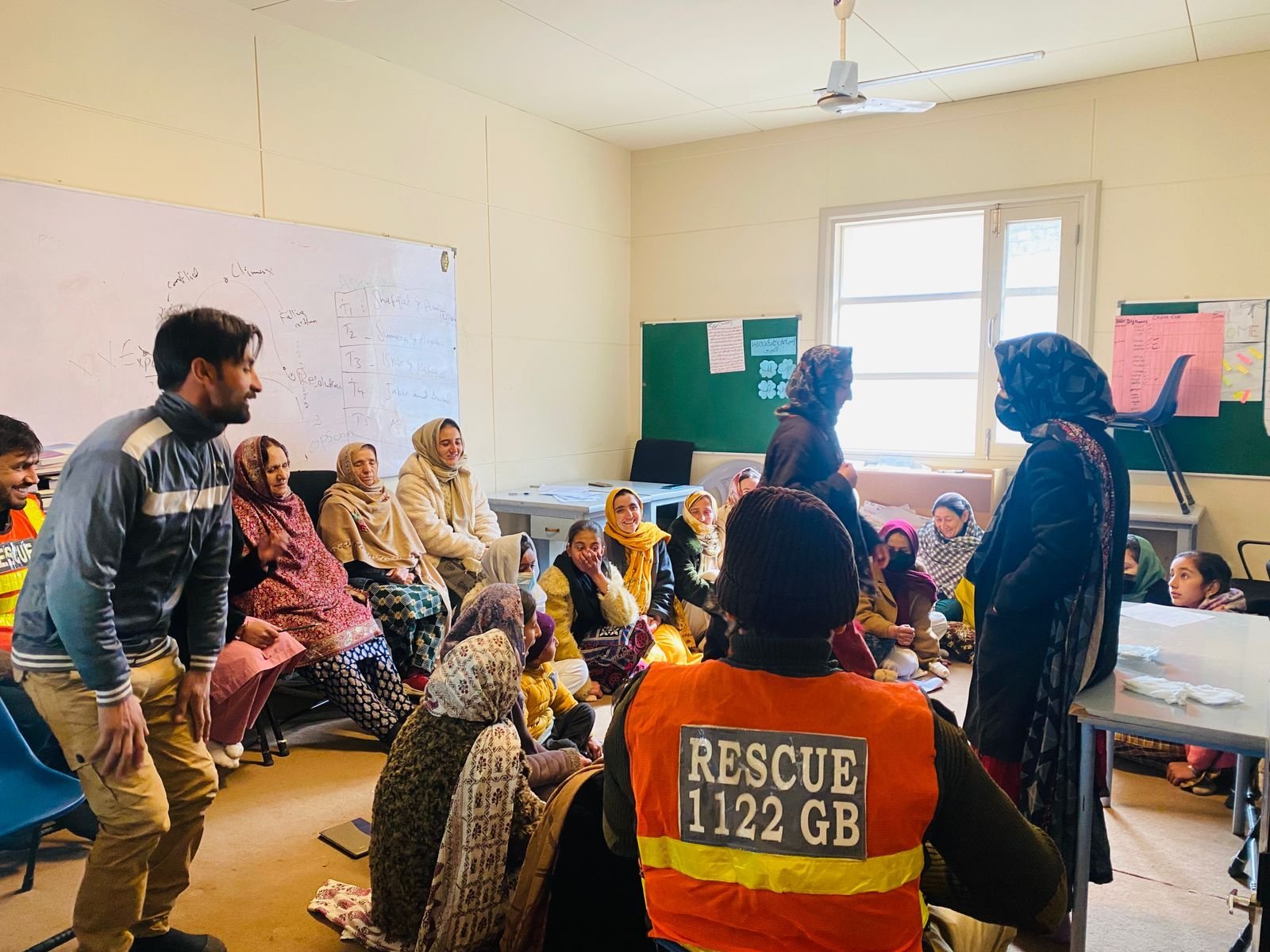
Women in a training session with Rescue 1122 Gilgit-Baltistan
Women train alongside Rescue 1122 Gilgit-Baltistan.
From the Field

What grassroots feminist leadership delivered

Gupis Valley, Ghizer

Mehwish, 19

When glacial lake outburst floods struck in 2025, Mehwish gave the Pakistan Red Crescent a trained team of young women for relief work. Her advocacy won clean water for displaced families, and her team gave trauma support to women, girls and children and mobilised 2,000 menstrual hygiene kits.

Shaman, Nagar

Parveen

Flooded every year since 2023 and left without piped water, Shaman had given up hope of being heard. Parveen organised women, youth and community representatives to stand up for their rights, and media coverage brought the forgotten community back to public notice.

Saltoro, Ghanche

Samina

The river’s changing path was eroding farmland and edging closer to homes. Samina organised her community into a disaster risk management committee with a direct line to the government. Before flood season, the river was turned away from the village and its banks were secured.
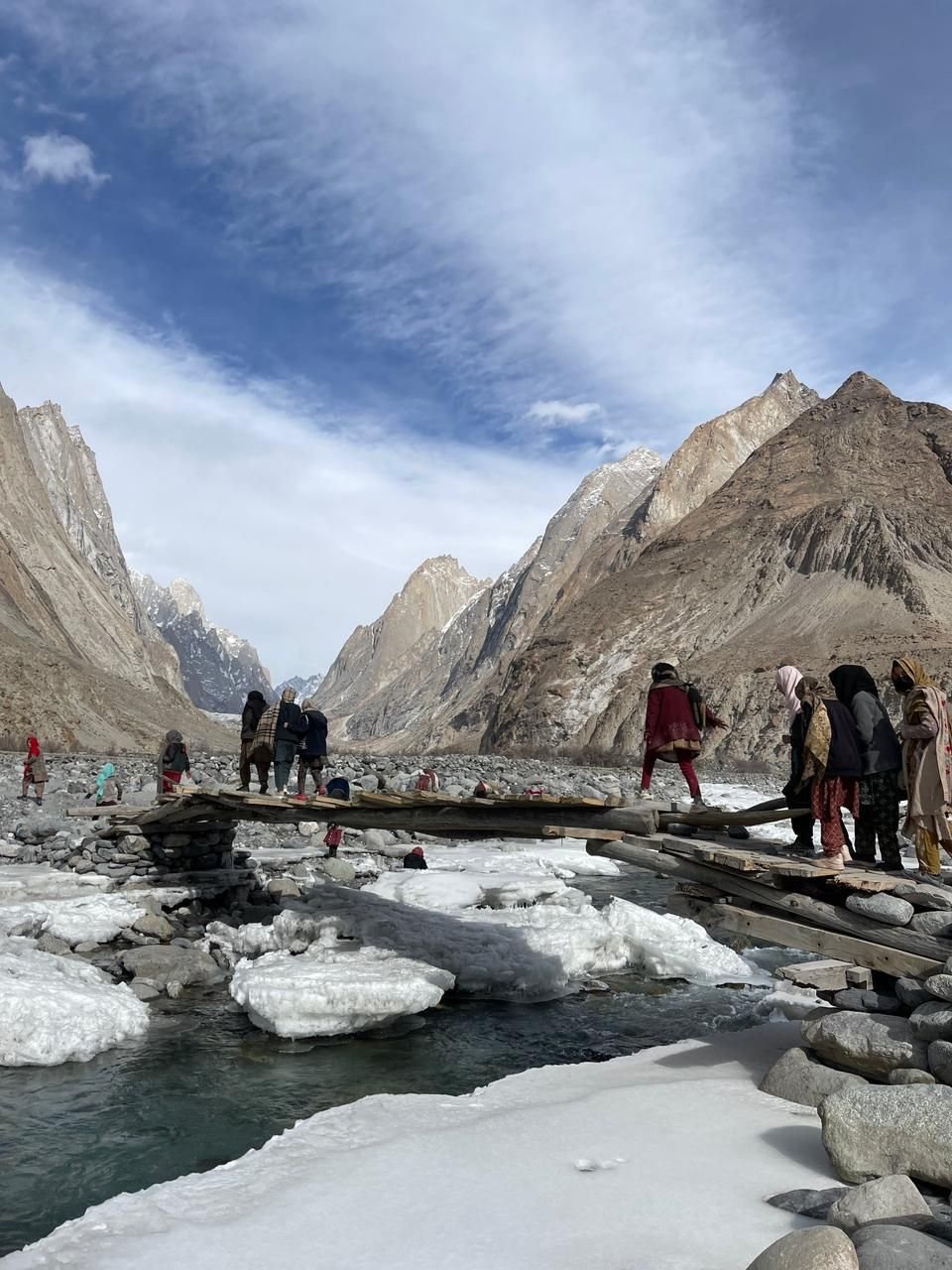
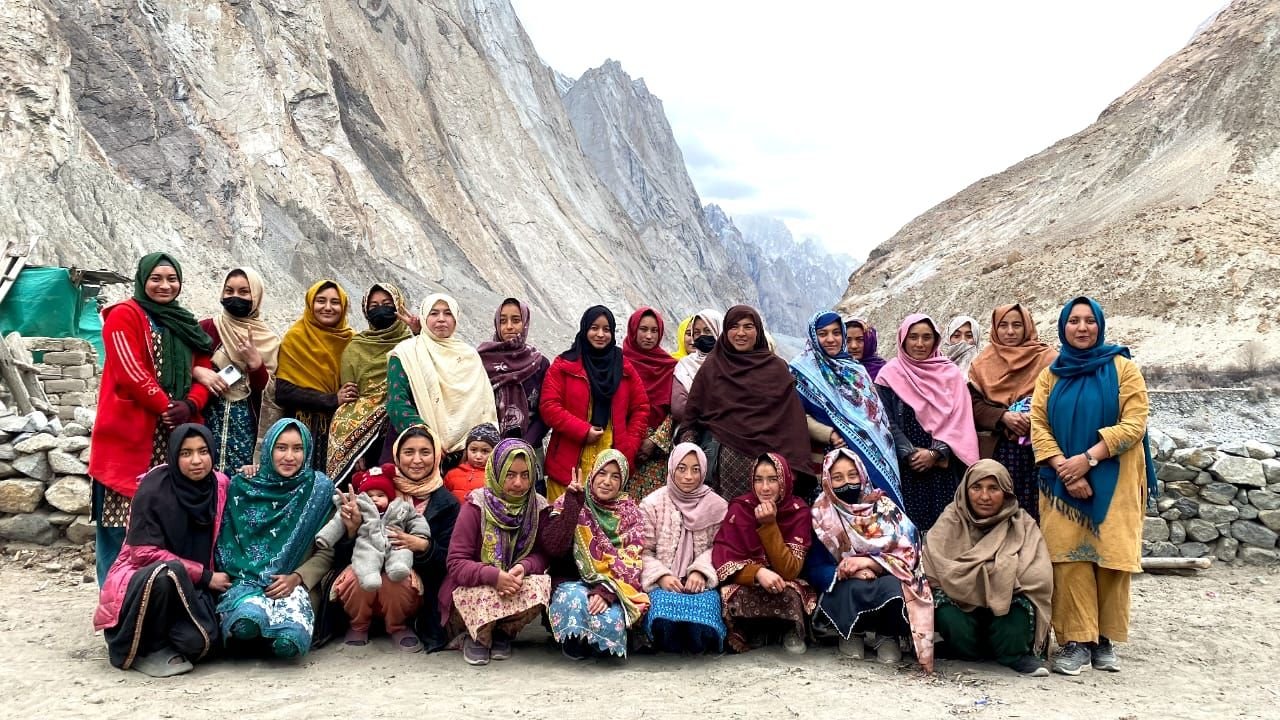
Members of the women's group of the CBDRMC in Goma village, Saltoro
Women’s Group, CBDRMC, Goma Village, Saltoro.
The 2025 Pilot

Eight young women, six frontline districts

15Saheli Circles: safe spaces where women and girls learn about climate risk and plan together
900+women and girls equipped to prepare for disasters
1,500+community members organised, alongside rescue officials and local government
2,000menstrual hygiene kits mobilised by one First Responder during the 2025 floods

In 2026 the work grows to five more climate-impacted districts, with seven new Saheli First Responders and five women-led disaster risk management groups.

How the Model Works

A yearly cycle, led by the community

  1. 01

    Climate consciousness

    Girls and communities learn what is changing, why, and who is accountable, drawing on indigenous knowledge.

  2. 02

    Organising

    Women and the whole community organise, and disaster committees with women as half their members are registered with the district.

  3. 03

    Locally led adaptation

    Risk maps, resilience plans, stockpiles and drills are ready before disaster season.

  4. 04

    Gender-responsive response

    Saheli networks lead relief built on women’s safety, care and dignity.

  5. 05

    Claiming resources and loss and damage

    Communities claim adaptation resources, rehabilitation and loss and damage from the state.

Each year the community reviews the season and plans anew.

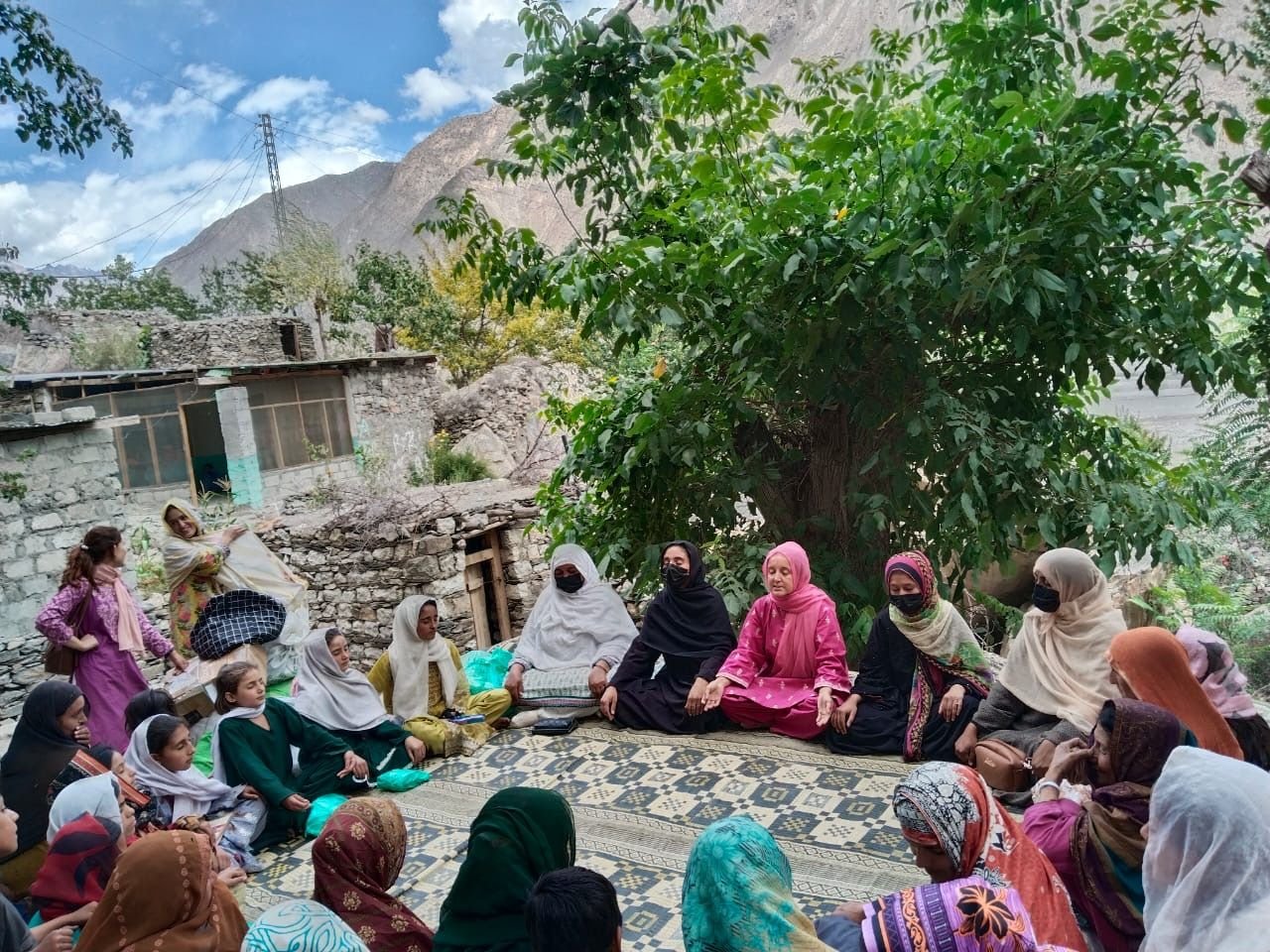
A Saheli First Responder leads a wellbeing session with women and girls sitting in a circle under a tree
A Saheli First Responder leads a wellbeing session with flood-affected women and girls in Asumber, 2025.
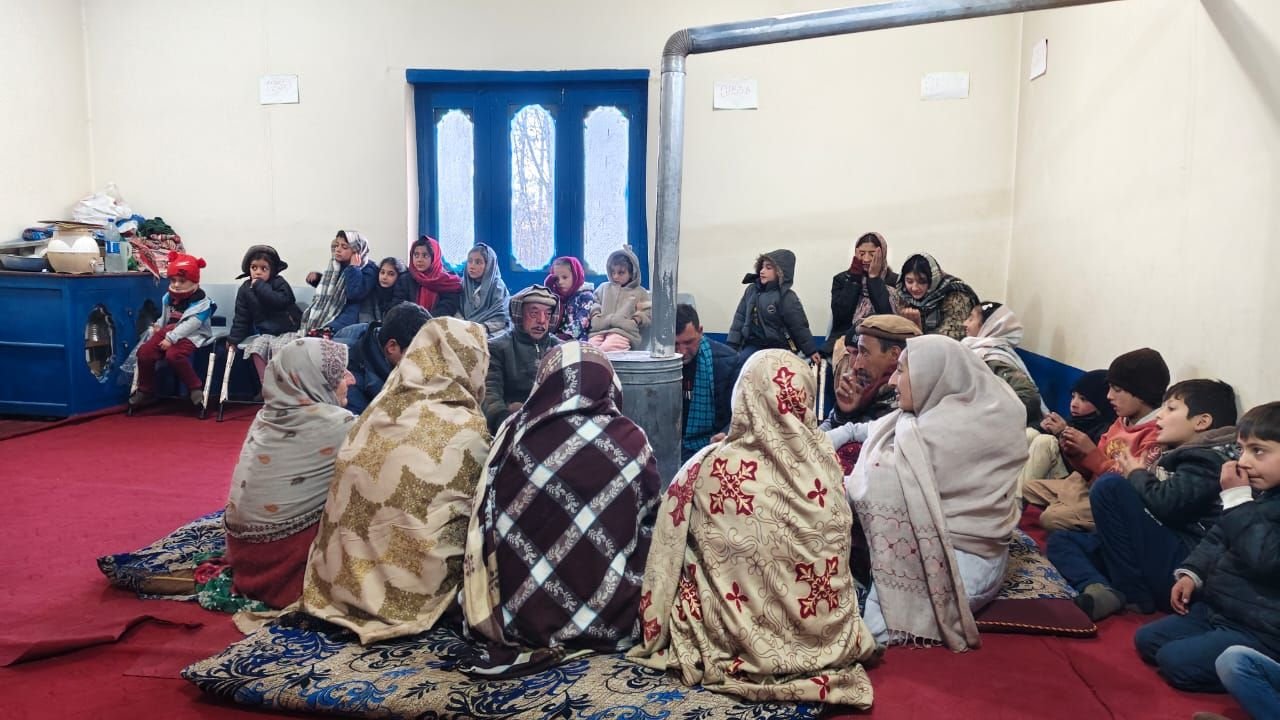
Women and men of the CBDRMC meeting around a stove in Kharmang
A CBDRMC gathers to develop its Community Resilience Plan in Kharmang.
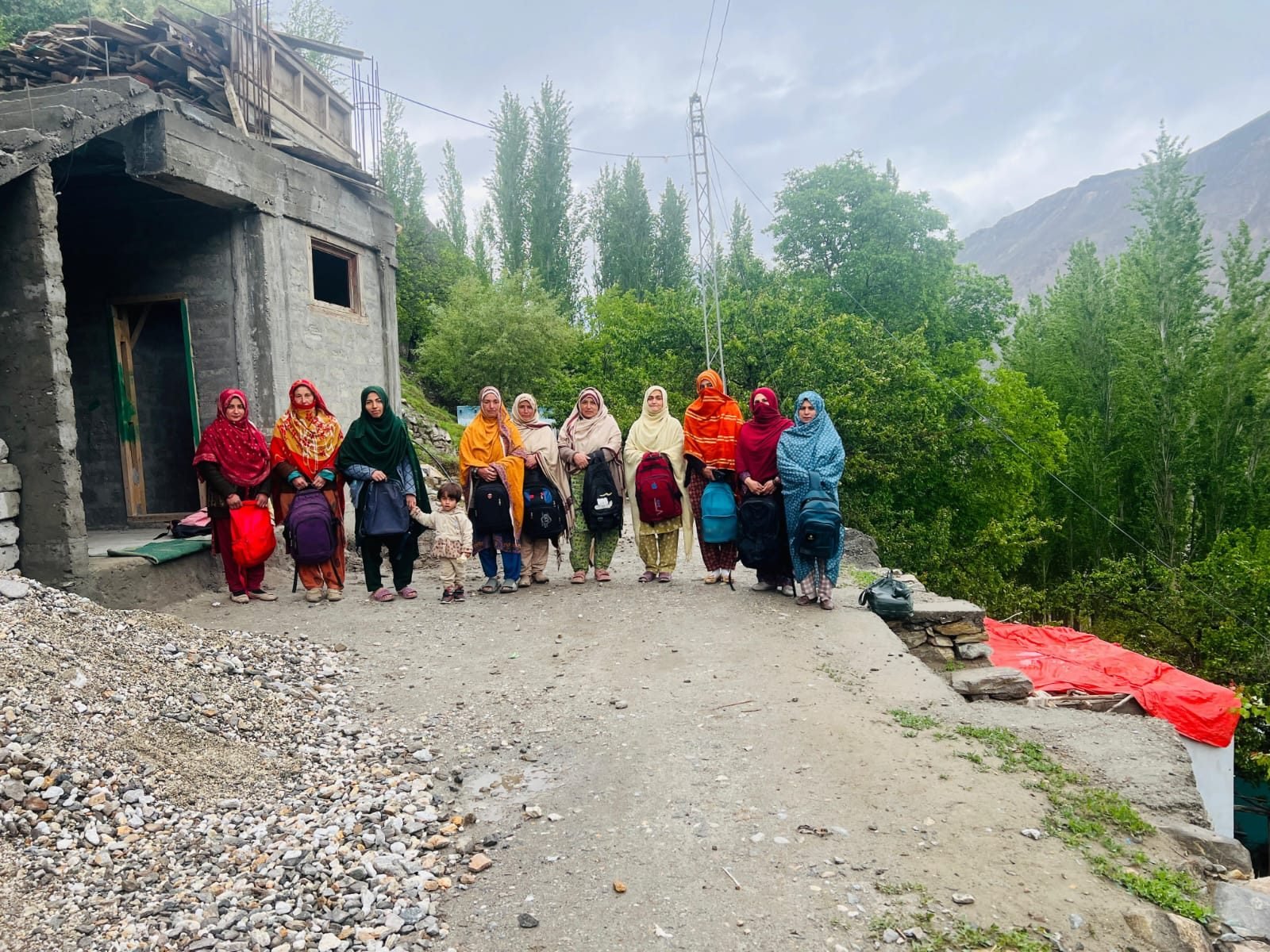
Women in Shaman, Nagar, standing in a row holding their go-bags
Women in Shaman, Nagar, with their go-bags.
Proof for Climate Finance

What climate finance delivers when it builds grassroots feminist leadership

Climate finance rarely reaches grassroots women’s organisations. Our 2025 pilot shows what it delivers when it does. With modest funding, eight young women organised more than 1,500 community members, equipped more than 900 women and girls to prepare for disasters, and turned that organising into government action in their valleys.

When climate finance builds grassroots feminist leadership, communities become safer and organised to stay safe.

The Thinking Behind It

Rooted in care and feminist climate justice

The model draws on Joan Tronto’s ethics of care and UN Women’s framework for feminist climate justice. Its core claim, from a decade of fieldwork, is that organising women and organising the community are the same process.

Organising women and organising the community are the same process.

The Saheli First Responder Model was developed by Innovate Educate Inspire Pakistan. Please credit IEI Pakistan when sharing it.

Tools We Are Building

Protecting dignity and putting data in community hands

Drafted

Community Media Protocol

Ground rules that protect the dignity and privacy of women and families from cameras and social media in disasters, with consent literacy for communities.

Drafted

Data Management Guide

Simple, safe templates so communities hold their own data and steer relief, from the household register to the record of losses.

In development

Gender Disaster Response Baseline

A baseline drawn from disasters across the Global South on what relief must provide so women are safe.

Aligned with

  • National Climate Change Policy (2021)Community-based GLOF response and community roles in early warning
  • Climate Change Gender Action Plan (2022)Women in local disaster planning and needs assessments centred on women and girls
  • UN Women, Feminist Climate Justice (2023)Recognition, redistribution, representation and reparation
  • Belém Gender Action Plan (COP30)Gender-responsive action from global to local level, women from rural and remote communities, care, and protection for women environmental defenders
Our Asks

Put climate finance behind grassroots feminist leadership

Climate finance

Direct, flexible, multi-year funding for grassroots feminist leadership, from adaptation and loss and damage funds, feminist funds and donors.

Platforms

Seats for Saheli First Responders in UNFCCC, Gender Action Plan and adaptation spaces, speaking for mountain women.

Coalitions

Membership of feminist climate justice, locally led adaptation and mountain networks.

Research

Partners to build evidence on grassroots feminist leadership in adaptation and disaster governance.

Let’s talk

Innovate Educate Inspire Pakistan is a grassroots feminist organisation working at the intersection of education, gender justice, feminist tech and climate resilience in Gilgit-Baltistan for nearly a decade.

WhatsApp +92 315 5222163